
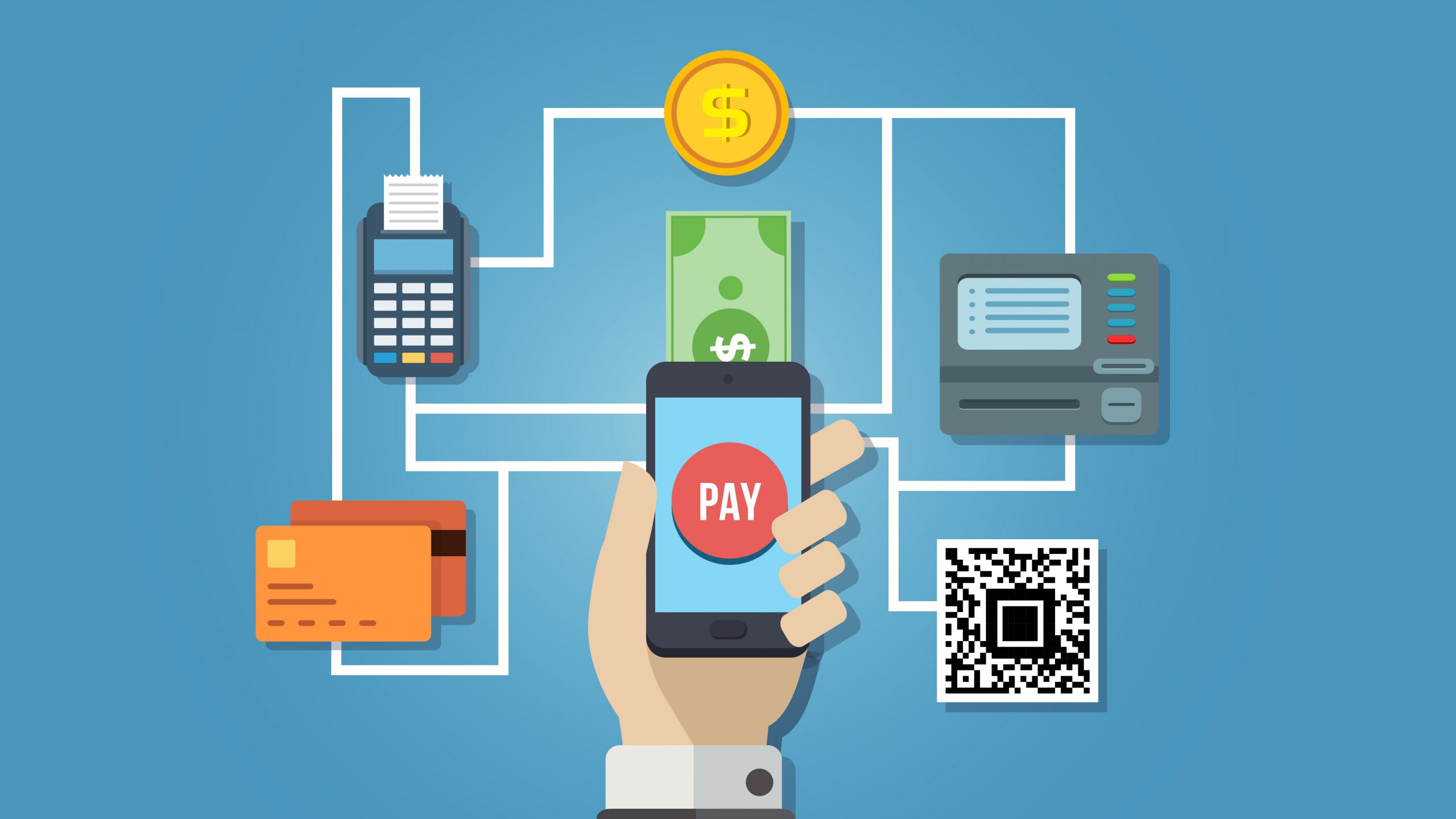
The way we pay for goods and services has undergone a dramatic transformation in the past few decades. E-payments—electronic methods of making financial transactions—have become an integral part of our daily lives, offering unparalleled convenience, speed, and accessibility. Whether it's buying a coffee from your local café, paying bills online, or transferring money across borders, e-payments have simplified and streamlined financial transactions. As digital payment methods evolve, they are reshaping not only consumer habits but also the entire financial ecosystem. In this article, we explore the rise of e-payments, their benefits, challenges, and the technologies that are shaping the future of payments.
What Are E-Payments?
E-payments refer to the use of electronic methods to make payments or transfer funds between individuals, businesses, and institutions. Unlike traditional methods such as cash or checks, e-payments leverage technology to process financial transactions quickly, securely, and without the need for physical exchange of money.
Some common forms of e-payments include:
- Credit and debit card transactions
- Digital wallets (e-wallets)
- Bank transfers (including mobile and online banking)
- Cryptocurrency payments
- Mobile money services
- Buy Now, Pay Later (BNPL) services
From simple mobile payments to complex cryptocurrency transfers, e-payment systems allow for instant, secure transactions across a variety of platforms, making them more versatile than traditional payment methods.
The Evolution of E-Payments
The evolution of e-payments has been driven by technological advances, changing consumer behavior, and the increasing reliance on digital platforms. Let's take a look at the major milestones that have contributed to the growth of e-payment systems:
-
The Early Days: Credit and Debit Cards (1960s – 1980s) The advent of credit and debit cards in the 1960s laid the foundation for electronic payments. These cards allowed individuals to access credit or their own funds in an instant, removing the need to carry cash for day-to-day purchases. Over time, card-based transactions became more secure with the introduction of magnetic strips, and the infrastructure for card payments expanded globally.
-
The Internet Era: Online Banking and PayPal (1990s – 2000s) The rise of the internet in the 1990s brought new opportunities for financial transactions. Online banking began to take off, enabling individuals to manage their accounts and make payments without needing to visit a bank in person. In 1998, PayPal was founded, revolutionizing e-commerce by allowing customers to make secure online payments for goods and services.
-
The Mobile Payment Revolution (2000s – 2010s) With the proliferation of smartphones in the 2000s, mobile payment solutions emerged, making payments easier and more accessible. Platforms like Apple Pay, Google Pay, and Samsung Pay enabled consumers to store their card information securely on their phones and make contactless payments using Near Field Communication (NFC) technology. This marked the beginning of a shift toward mobile-first payments.
-
The Cryptocurrency Boom (2009 – Present) In 2009, Bitcoin was introduced, heralding the era of cryptocurrencies. Cryptocurrencies use decentralized blockchain technology to enable peer-to-peer transactions without the need for intermediaries like banks. While still in its early stages of adoption, cryptocurrency payments offer advantages such as low fees, fast cross-border transfers, and enhanced privacy.
-
The Rise of BNPL Services (2010s – Present) In recent years, Buy Now, Pay Later (BNPL) services like Afterpay, Klarna, and Affirm have gained significant traction, particularly in the e-commerce space. These services allow customers to make purchases and pay in installments, typically without interest if paid within a specified period. BNPL services are becoming a popular alternative to traditional credit card payments, especially among younger consumers.
Types of E-Payment Systems
There are several types of e-payment systems, each offering unique benefits to consumers and businesses alike. Here are the most common ones:
-
Credit and Debit Cards Credit and debit cards are the backbone of traditional electronic payments. Linked directly to a bank account or a credit line, they offer a quick and reliable way to make payments both online and in-store. Cards like Visa, MasterCard, and American Express are universally accepted, and their integration with payment gateways and point-of-sale (POS) terminals makes them one of the most widely used forms of e-payments.
-
Digital Wallets (E-Wallets) Digital wallets, also known as e-wallets, are applications that allow users to store their payment information (credit cards, debit cards, loyalty cards, and more) in a digital format. Popular e-wallets include PayPal, Google Pay, Apple Pay, and Venmo. These wallets offer convenience by enabling consumers to make quick payments using their smartphones or computers. E-wallets are commonly used for both online and offline purchases.
-
Mobile Payments Mobile payment platforms like Samsung Pay and Google Pay allow users to store their payment credentials on their smartphones and make payments simply by tapping their devices at NFC-enabled payment terminals. This method is particularly popular for small, everyday purchases and is integrated with mobile apps, making it ideal for users on the go.
-
Bank Transfers Bank transfers allow users to transfer money directly between accounts at different banks or financial institutions. These transfers can be done online via banking apps, or through traditional methods like wire transfers. For larger transactions or international payments, bank transfers are still widely used due to their reliability and security.
-
Cryptocurrencies Cryptocurrencies like Bitcoin, Ethereum, and others provide an alternative to traditional payment systems. These digital currencies operate on decentralized networks (blockchain) and allow for fast, low-cost transactions across borders. While cryptocurrencies are still in the early stages of mainstream adoption, their potential to disrupt traditional finance is undeniable.
-
Buy Now, Pay Later (BNPL) BNPL services are becoming increasingly popular, particularly in the e-commerce sector. These services allow consumers to buy products and pay for them in installments, either with no interest or at a low interest rate. Examples include Klarna, Affirm, and Afterpay. BNPL services are particularly appealing to younger consumers who may not have access to traditional credit.
Benefits of qr code payment system s
The rapid adoption of e-payments is driven by several key benefits that they offer to both consumers and businesses:
-
Convenience E-payments allow consumers to make purchases or send money instantly from the comfort of their homes, offices, or mobile devices. With just a few taps or clicks, payments can be processed without needing to visit physical stores or banks. This convenience is a major factor driving the global adoption of digital payment systems.
-
Speed E-payment systems offer faster transaction processing compared to traditional methods. Payments are typically completed in seconds, making them ideal for both small and large transactions. For international transfers, e-payments can be processed in minutes, whereas traditional banking methods may take several days.
-
Security E-payment systems often include advanced encryption, multi-factor authentication (MFA), and tokenization to ensure that users' financial data is secure. Cryptocurrencies, in particular, use blockchain technology, which offers a high level of security through its decentralized nature and immutability.
-
Global Reach With e-payments, consumers and businesses can make and receive payments from anywhere in the world. This global accessibility is especially useful for businesses that operate internationally or individuals sending money to family and friends in other countries.
-
Cost Efficiency E-payments eliminate the need for cash handling, reducing the risk of errors, theft, or fraud. Additionally, the fees associated with digital payments (such as card processing fees or transaction charges) are often lower than those imposed by traditional banking methods, making e-payments an attractive option for businesses.
-
Financial Inclusion E-payment systems have the potential to provide financial services to underserved populations in developing regions. Mobile money platforms like M-Pesa in Kenya have allowed millions of unbanked individuals to access financial services, such as sending money and paying bills, using just a mobile phone.
Challenges of E-Payments
Despite their many advantages, e-payment systems come with certain challenges:
-
Cybersecurity Risks As digital transactions increase, the risk of cyberattacks also grows. Hackers and fraudsters target e-payment platforms to steal sensitive financial data, making it essential for businesses to invest in robust cybersecurity measures and for consumers to adopt safe online practices.
-
Privacy Concerns Many e-payment systems require users to share personal and financial information, which raises privacy concerns. Data breaches or misuse of customer data by third-party service providers can lead to identity theft or financial fraud.
-
Digital Divide While e-payment systems offer numerous benefits, they also highlight the digital divide between different socioeconomic groups. Access to smartphones, reliable internet, and digital literacy are still barriers for many people, particularly in rural or low-income areas.
-
Regulatory Issues As e-payments become more widespread, governments around the world face challenges in regulating these systems. Issues such as taxation, anti-money laundering (AML), and consumer protection need to be addressed to ensure the long-term stability and security of digital payment ecosystems.
The Future of E-Payments
The future of e-payments looks bright, with continued innovation driving the industry forward. Here are some key trends to watch:
-
Artificial Intelligence (AI) AI will play a crucial role in improving fraud detection, streamlining payments, and offering personalized financial services. Machine learning algorithms will help identify fraudulent transactions in real-time, improving the overall security of e-payment systems.
-
Biometric Payments The use of biometrics (e.g., facial recognition or fingerprints) for authentication is becoming more common in e-payment systems. These technologies provide an added layer of security and convenience, making payments faster and safer.
-
Cryptocurrency Adoption As cryptocurrencies continue to mature, they may become more widely accepted for everyday transactions. Governments and financial institutions are exploring ways to integrate cryptocurrencies into traditional payment systems, potentially enabling global, frictionless payments.
-
IoT and Payments The Internet of Things (IoT) is expected to revolutionize the e-payment landscape. Smart devices such as wearables, smart appliances, and even connected cars will enable automatic payments for goods and services, making payments more seamless and integrated into daily life.
Conclusion
E-payments have already transformed the way we transact, and their influence will only continue to grow. As technology evolves, the financial landscape will become increasingly digital, offering consumers and businesses greater convenience, security, and accessibility. However, the rise of e-payments also presents challenges, such as cybersecurity risks, privacy concerns, and regulatory hurdles. By addressing these challenges and embracing new innovations, e-payments are poised to shape the future of finance, driving global economic growth and financial inclusion in the years to come.