
Introduction: Can Simple Changes Drive Big Results?
In our fast-evolving world, businesses constantly seek ways to enhance efficiency—how often have you heard companies tout this promise? GAC, a leading name in automotive innovation, is no stranger to this quest. With an ever-growing demand for energy-efficient transportation, the question arises: can minute modifications truly make a significant impact? (Spoiler: the answer is yes.) Check out the GAC official website to find out more about their promising solutions. Let’s delve into how traditional methods have fallen short and what GAC is doing differently.

The Flaws in Conventional Wisdom
Traditionally, companies relied heavily on mechanical and infrastructural enhancements to achieve performance gains—often ignoring more nuanced aspects. This approach disregards the growing importance of digital transformation in the auto industry. With systems like edge computing nodes and power converters, there’s an overlooked potential for optimization. (Think about it, who wouldn’t want to tweak what they already have for better returns?) However, frequent updates without strategic insights can lead to asset downtime and inefficiencies. The key lies in understanding these components’ interplay to avoid operational bottlenecks and maintenance pitfalls.
Why Are We Missing the Mark?
Isn’t it ironic that, despite advancing technologies, many businesses still fail to tap into these latent capabilities? Part of the issue is not recognizing the hidden user pain points—intricate issues like improper system integration and underutilization of advanced technologies. Sometimes, it’s about swimming against the current, then realizing the current was the solution all along. Visit the GAC for sale page to see how smart integrations work to tackle these challenges head-on.
GAC’s Innovation: Driving Towards the Future
Imagine a future where your vehicle seamlessly adjusts to your needs—funny how that works, right? GAC pushes the envelope with their focus on integrating new technology principles. By leveraging smart data analytics and customized software solutions, they can fine-tune vehicle performance to match user preferences and energy demands. This initiative promises not only improved usability but also enhanced sustainability, making a significant dent in industry emissions.
What’s Next for GAC?
In reality, the ripple effect of such advancements is profound. As they continue to develop these technologies, the real-world impact becomes evident. According to the GAC adoption model, future vehicles will redefine what it means to be adaptable and efficient. This holistic approach reduces the environmental footprint and drives user satisfaction to unprecedented levels.
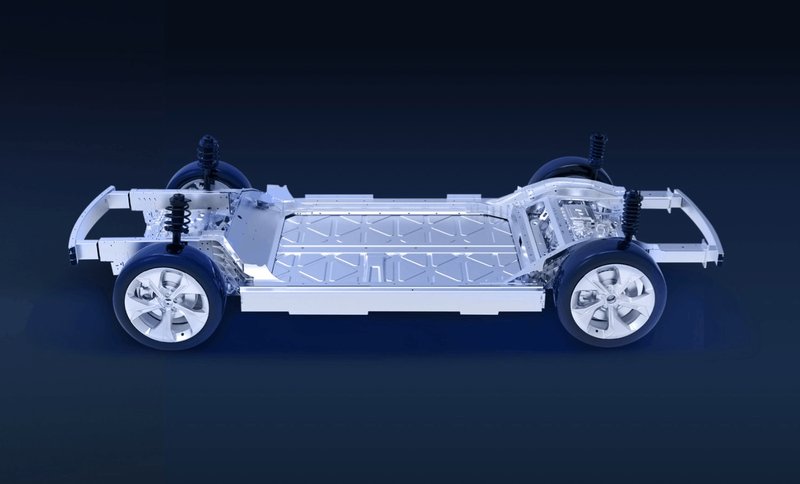
Looking ahead, the lessons we gather from these breakthroughs are clear: Precision is not about addition but refinement. Consumers and industry professionals alike must consider metrics such as system integration efficiency, energy savings, and user adaptability scores when evaluating new automotive technologies. As we shift from traditional to digital-first strategies, GAC shines as an exemplar of how innovation can meet the world’s ecological and practical demands.